PRODUCTION LLM PATTERN: MCP BOUNDARY AND RUNTIME RAG FIXES
LLM features are converging on an MCP-based boundary with runtime checks that repair RAG answers before users see them. This [AWS design](https://dev.to/nagash...
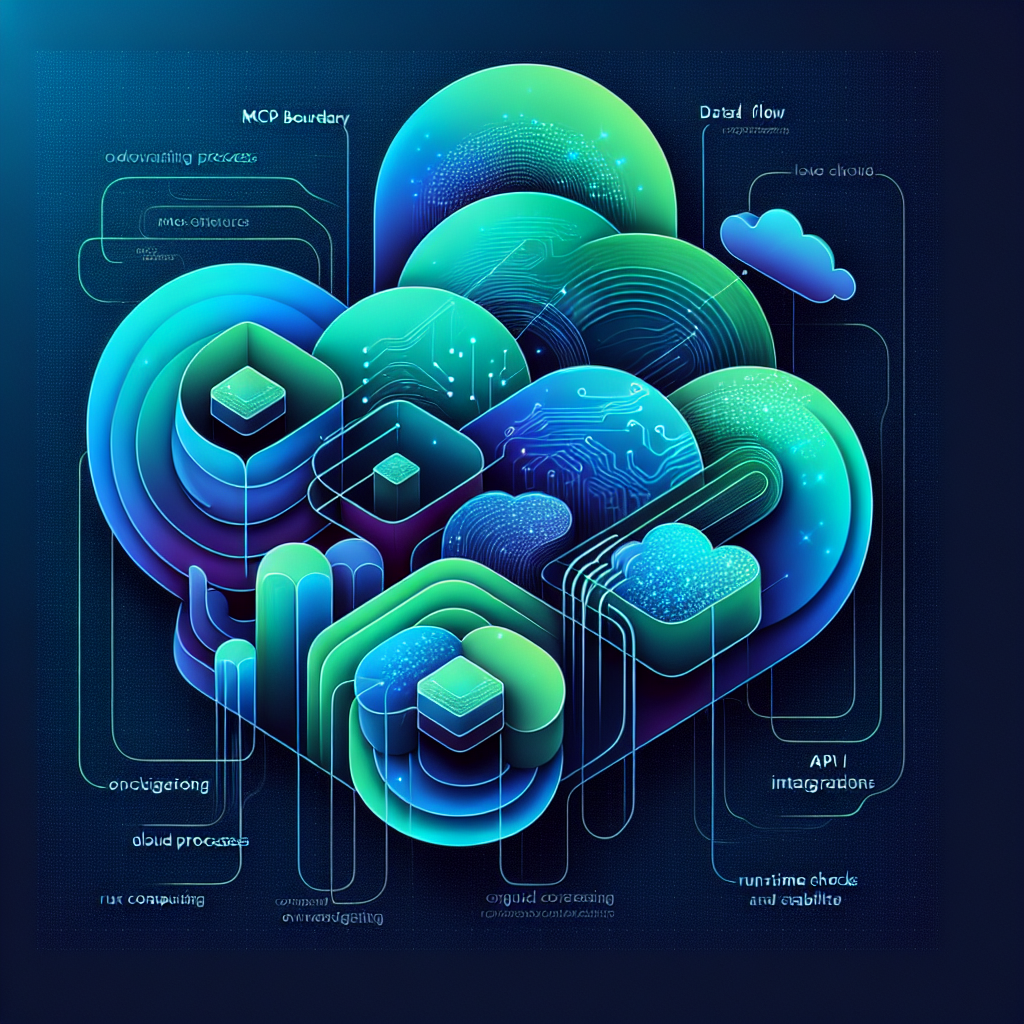
LLM features are converging on an MCP-based boundary with runtime checks that repair RAG answers before users see them.
This AWS design uses MCP as the boundary between orchestration (API Gateway + Lambda) and model calls, improving decoupling and scalability.
A separate build shows a sub‑50ms Python "self‑healing" layer that detects numeric contradictions, fake citations, and answer drift, then rewrites or routes the reply.
Another product write‑up reinforces the unglamorous pieces: queues, rate limits, circuit breakers, typed schemas, and split deploys that keep webhook‑heavy AI features stable.
An MCP boundary reduces coupling and lets you rotate models or providers without risky code changes.
Runtime RAG checks catch confident wrong answers before users see them, reducing trust-damaging failures.
-
terminal
Wrap one production endpoint behind MCP and track deploy frequency, latency p95, and rollback safety for two sprints.
-
terminal
Add contradiction detection to a RAG endpoint and measure false positives, incident rate, and mean time to mitigate.
Legacy codebase integration strategies...
- 01.
Introduce MCP behind your existing API and route LLM calls via a queue so legacy paths stay non‑blocking.
- 02.
Add a fail‑open validation sidecar with logging; enable automatic rewrites only after you baseline precision/recall.
Fresh architecture paradigms...
- 01.
Start with API Gateway, a worker queue, and MCP servers as pluggable tools from day one.
- 02.
Budget latency for verification layers and design schemas plus circuit breakers up front.
Get daily MODEL-CONTEXT-PROTOCOL-MCP + SDLC updates.
- Practical tactics you can ship tomorrow
- Tooling, workflows, and architecture notes
- One short email each weekday