DATASETTE CODE SPIKE HINTS AT MEASURABLE GAINS FROM CODING AGENTS
A GitHub code-frequency chart for Datasette shows a late spike that aligns with new AI coding agents and high-end models. Simon Willison shared a snapshot of D...
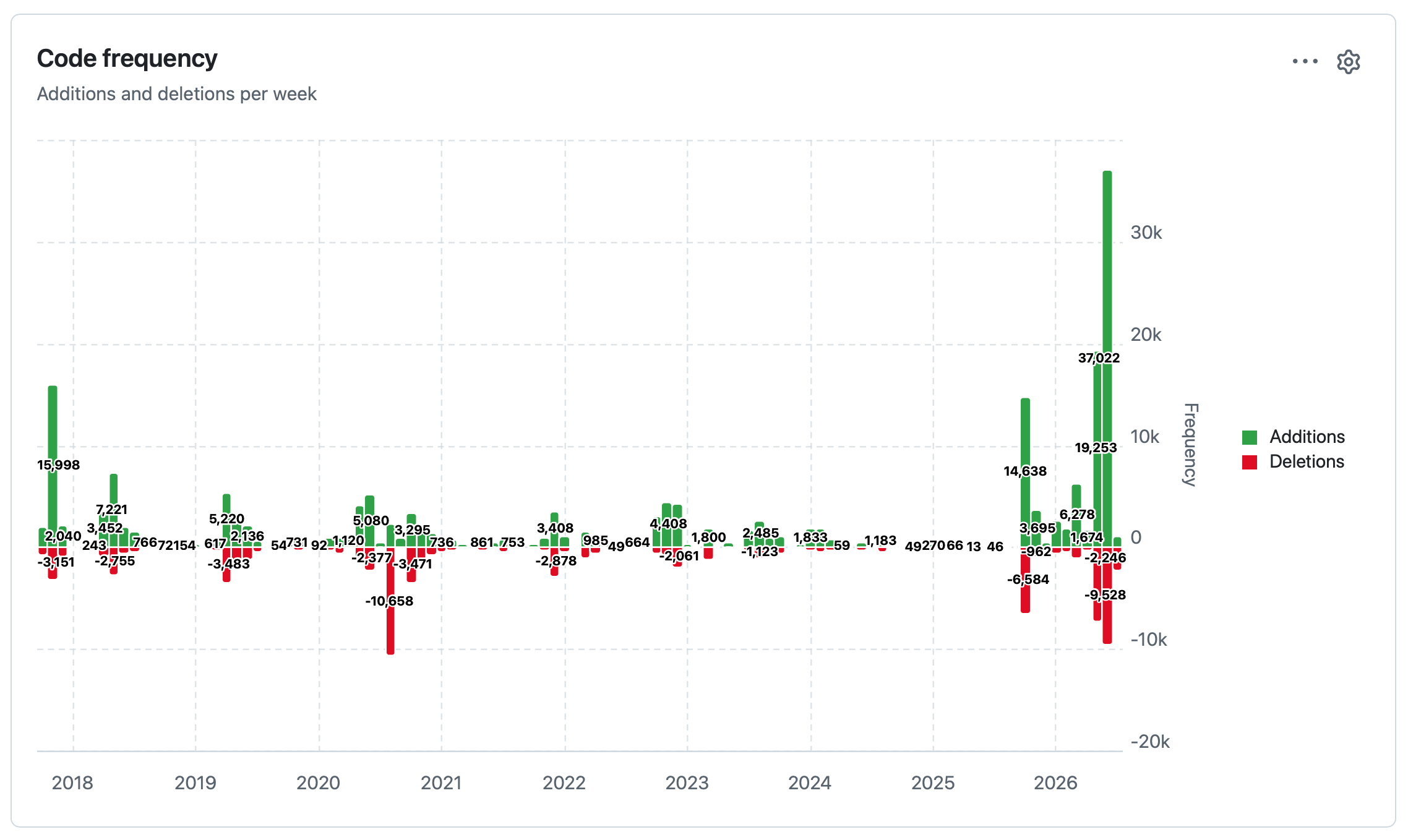
A GitHub code-frequency chart for Datasette shows a late spike that aligns with new AI coding agents and high-end models.
Simon Willison shared a snapshot of Datasette’s commit activity, noting the recent surge lines up with Opus 4.8, GPT-5.5, Fable 5, and GPT-5.6 Sol releases—evidence that newer agents change output pace source.
He’s been probing how coding agents and “Opus 4.5-class” models affect his work across projects, including recent sqlite-utils updates, offering a concrete prompt to measure real impact instead of guessing source.
If agents are boosting throughput, teams need to track whether quality and reliability keep pace.
Real repo metrics beat anecdotes when deciding where to invest in AI-assisted development.
-
terminal
Run a 2–4 week A/B pilot: baseline commit/PR frequency, lead time, and review latency, then enable agents and compare.
-
terminal
Add counter-metrics: escaped defects, rework rate, and incident correlation for AI-authored changes.
Legacy codebase integration strategies...
- 01.
Start with low-risk services; require CODEOWNERS and two-human reviews for agent-authored PRs.
- 02.
Tag and track agent-originated commits to audit rework and post-merge defects.
Fresh architecture paradigms...
- 01.
Bake agents into the workflow from day one with small PRs, trunk-based development, and automated checks.
- 02.
Define success metrics upfront (cycle time, MTTR, defect density) and auto-report weekly.
Get daily DATASETTE + SDLC updates.
- Practical tactics you can ship tomorrow
- Tooling, workflows, and architecture notes
- One short email each weekday